The Goofy Cormorants
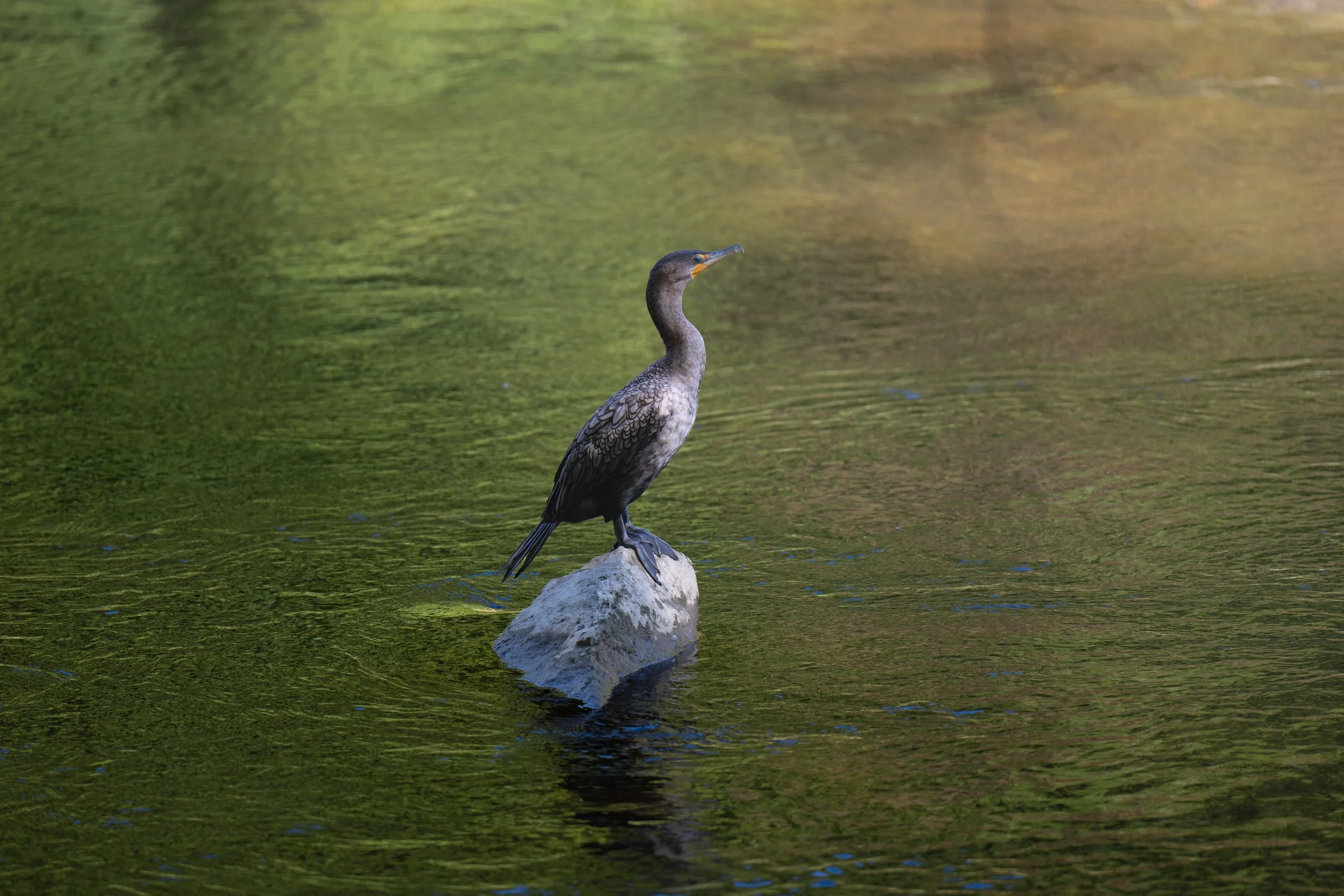
The cormorant resembles a prehistoric reptile.
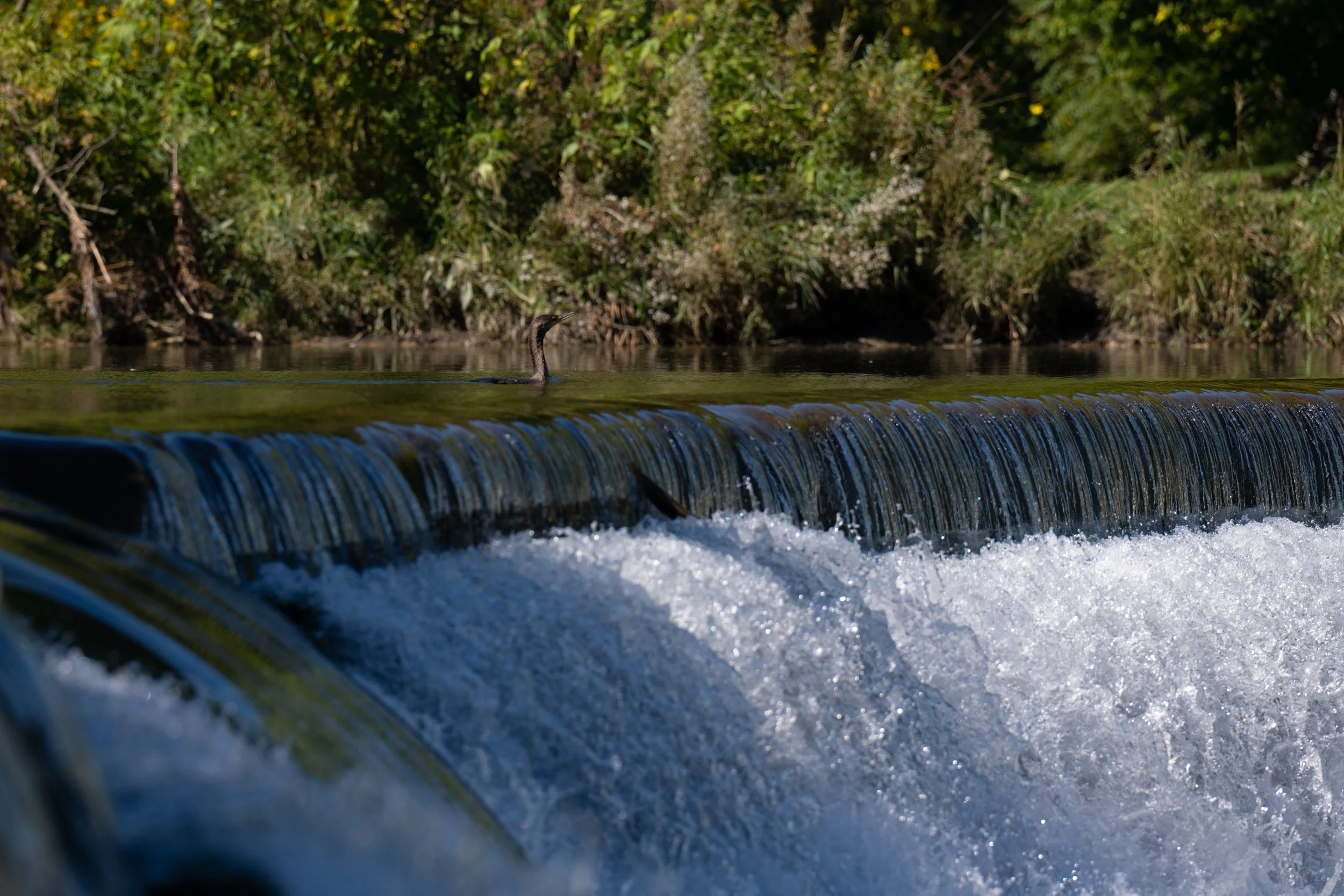
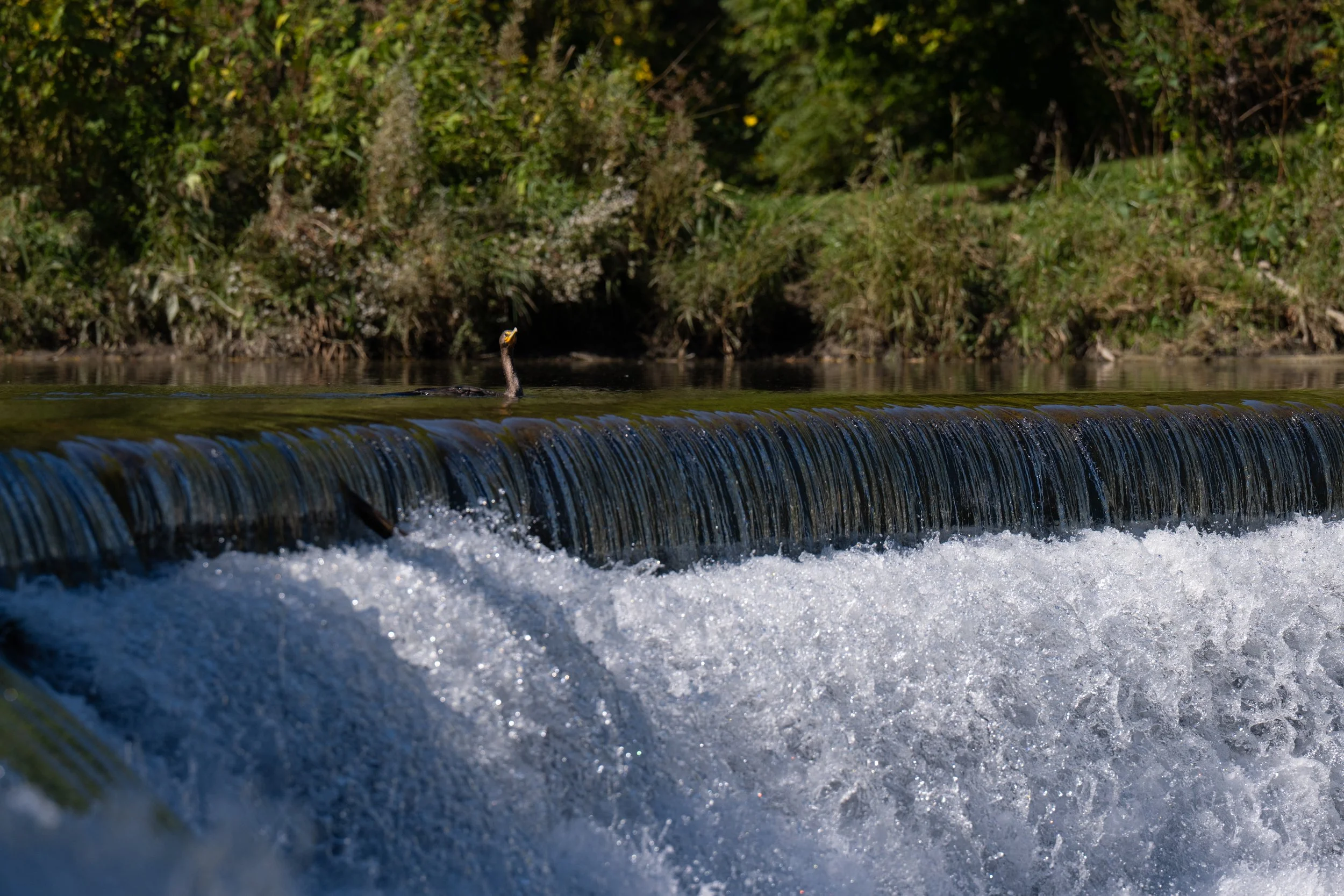
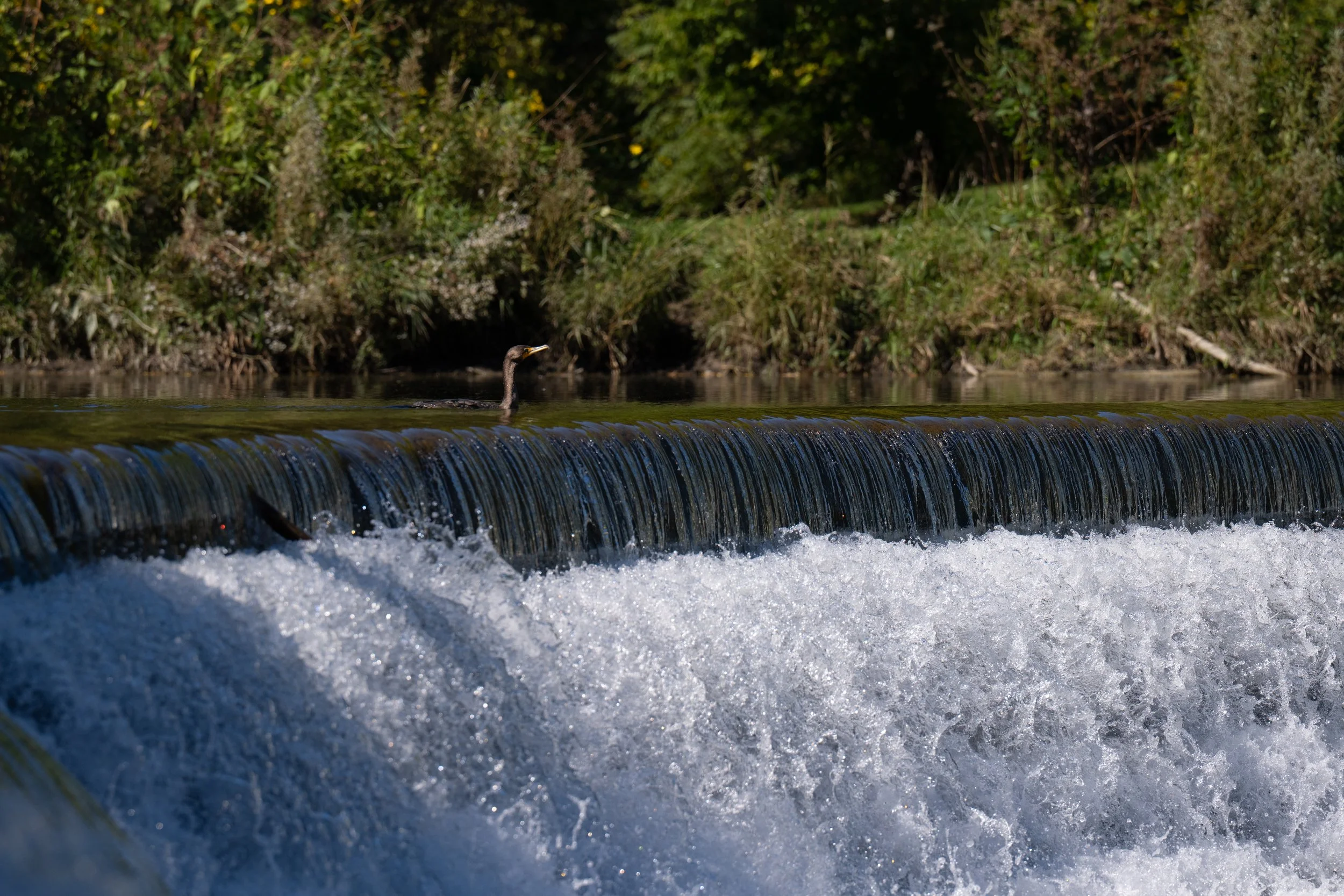
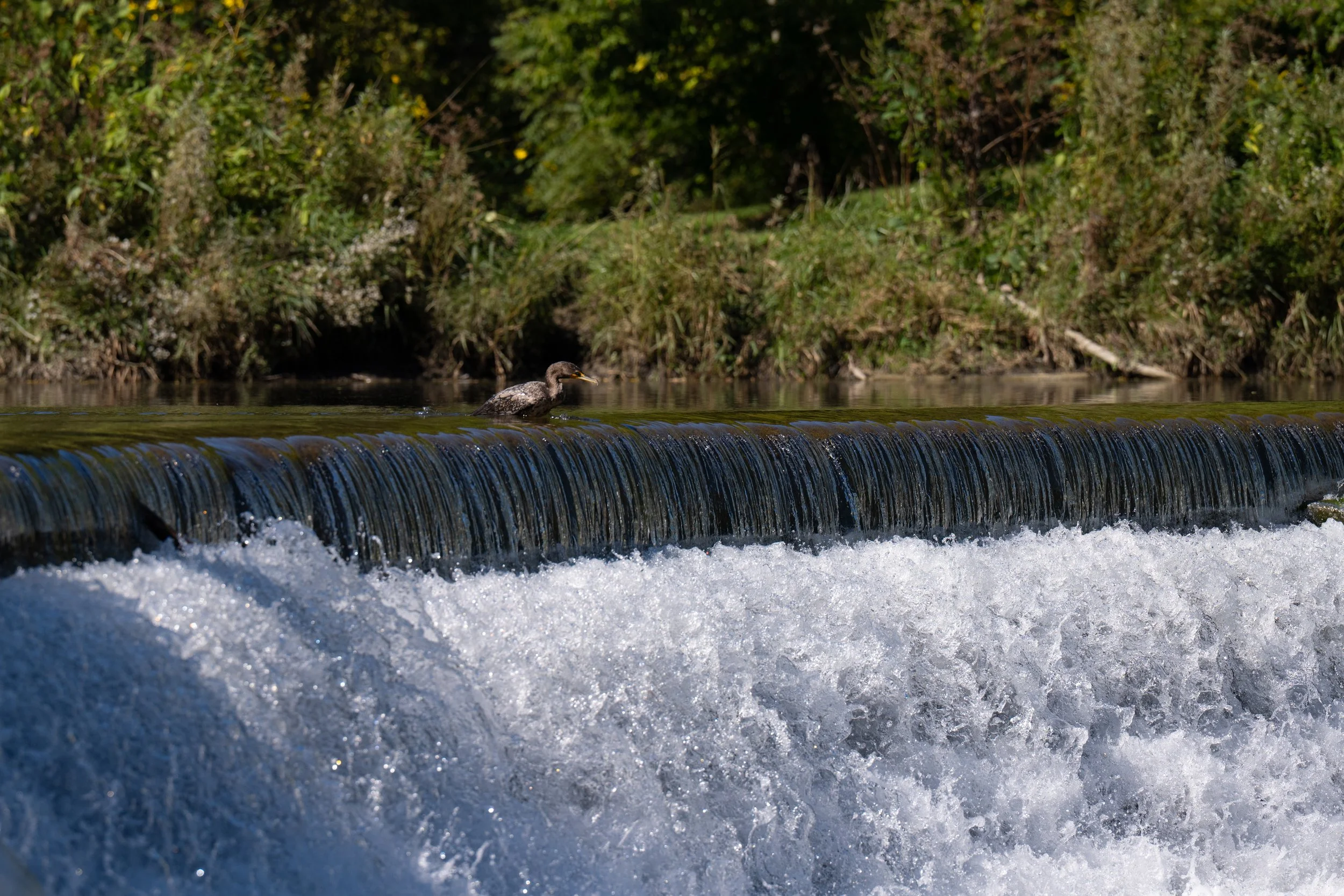
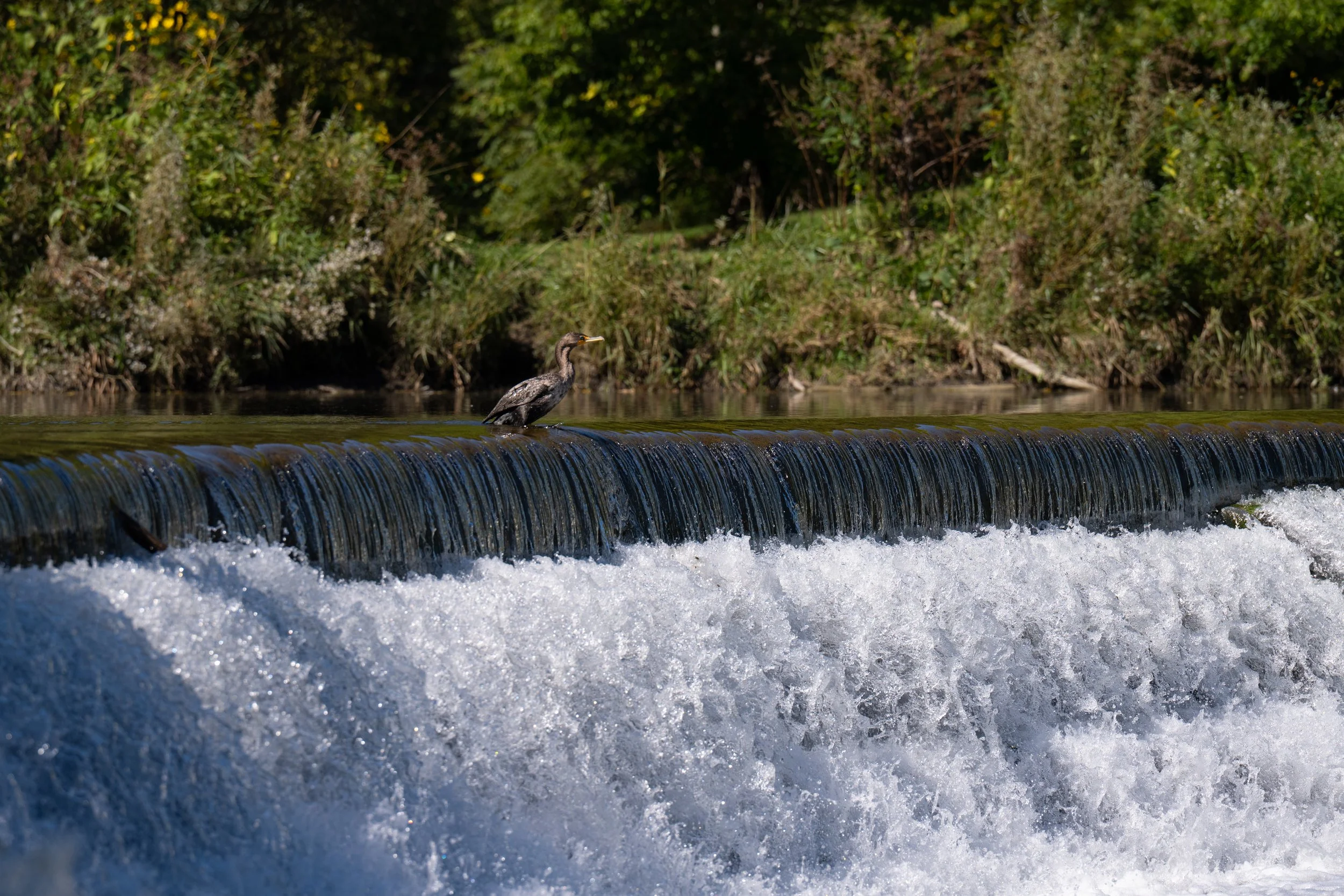
Nature gifted the cormorant with neither beauty nor grace. With its S-shaped neck, angular head and hooked bill, this aquatic bird resembles a prehistoric reptile. When floating on water, its heavy, barrel-shaped body stays entirely submerged, leaving the sinuous neck looking around like a living periscope.
Periscope up!
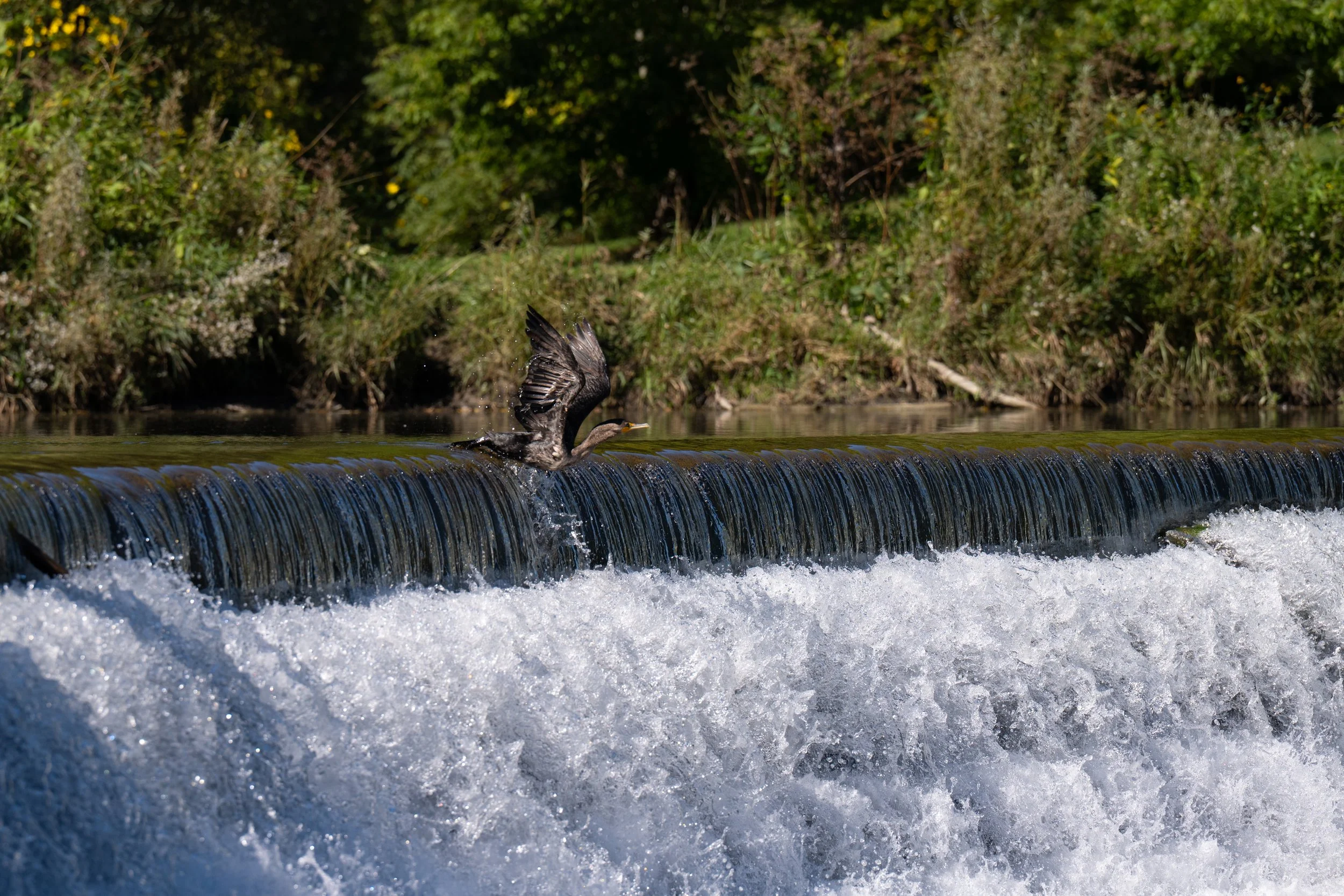
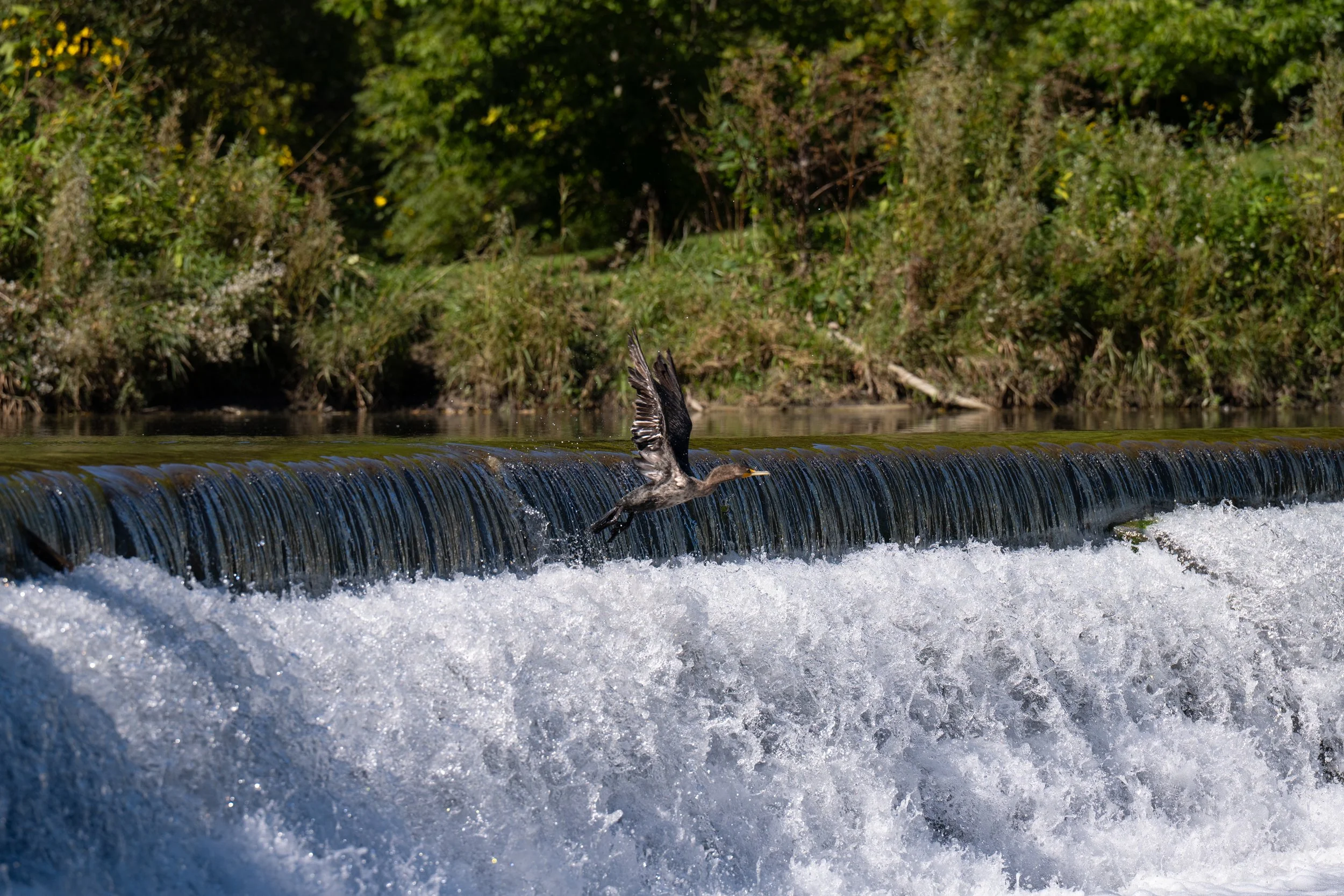
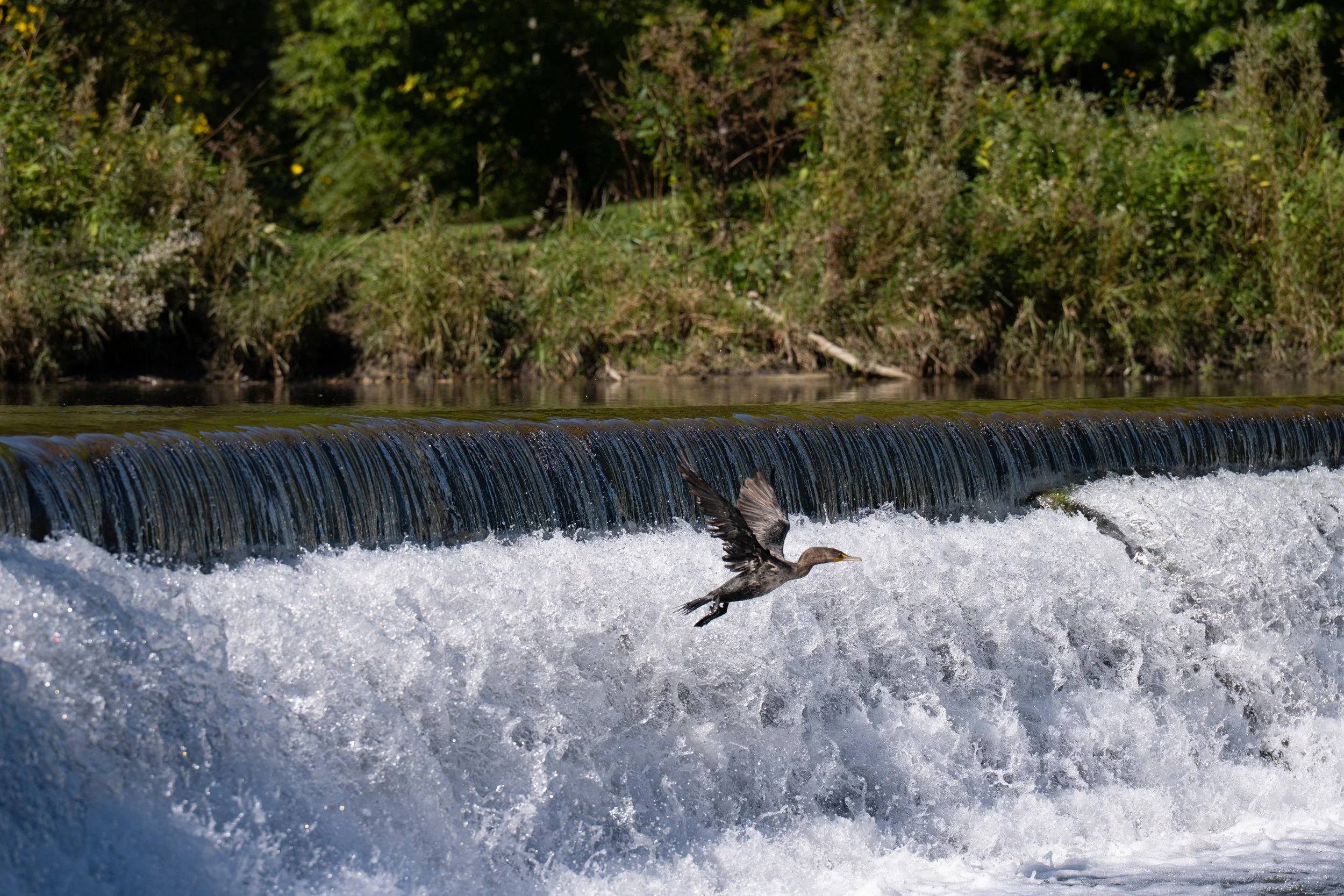
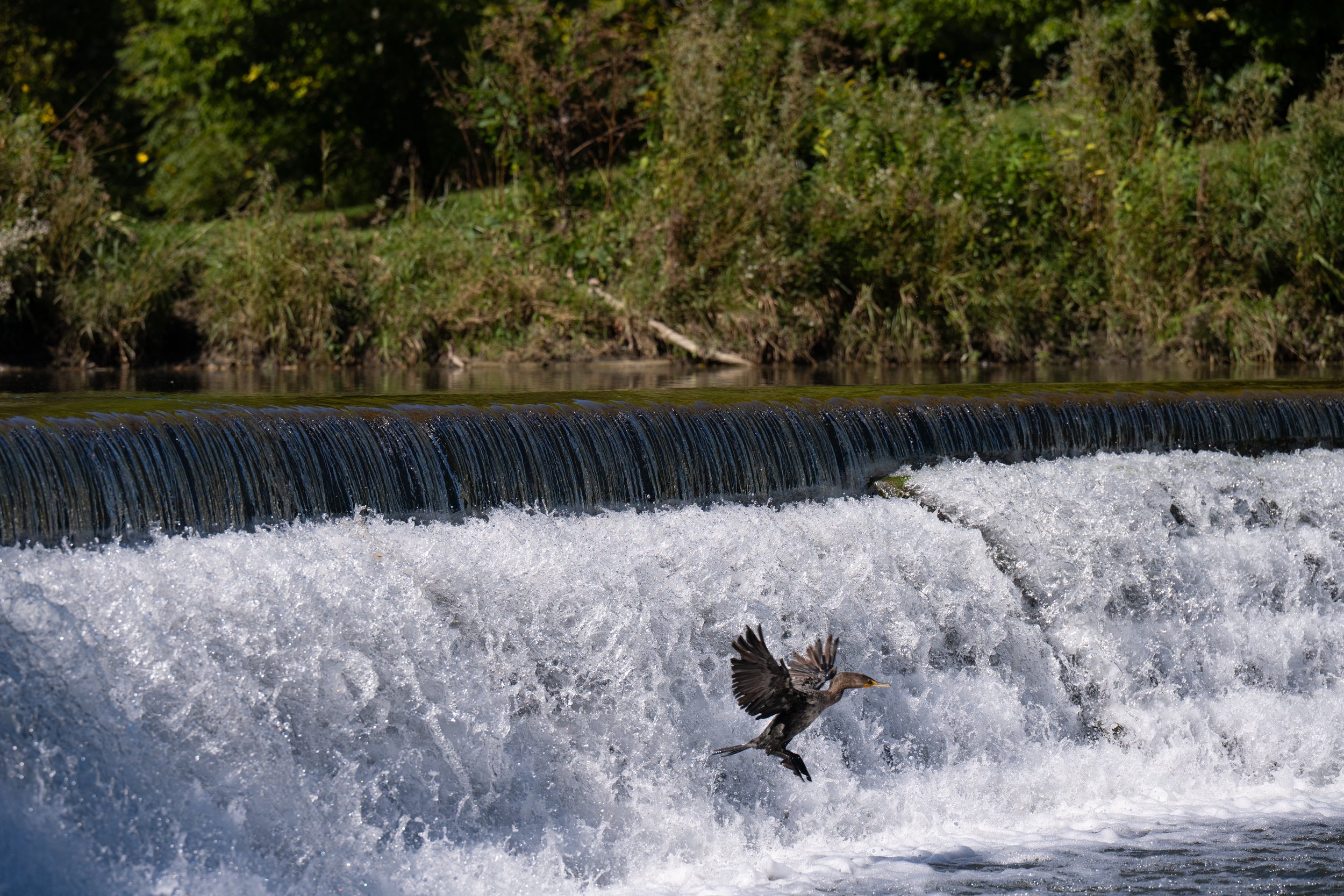
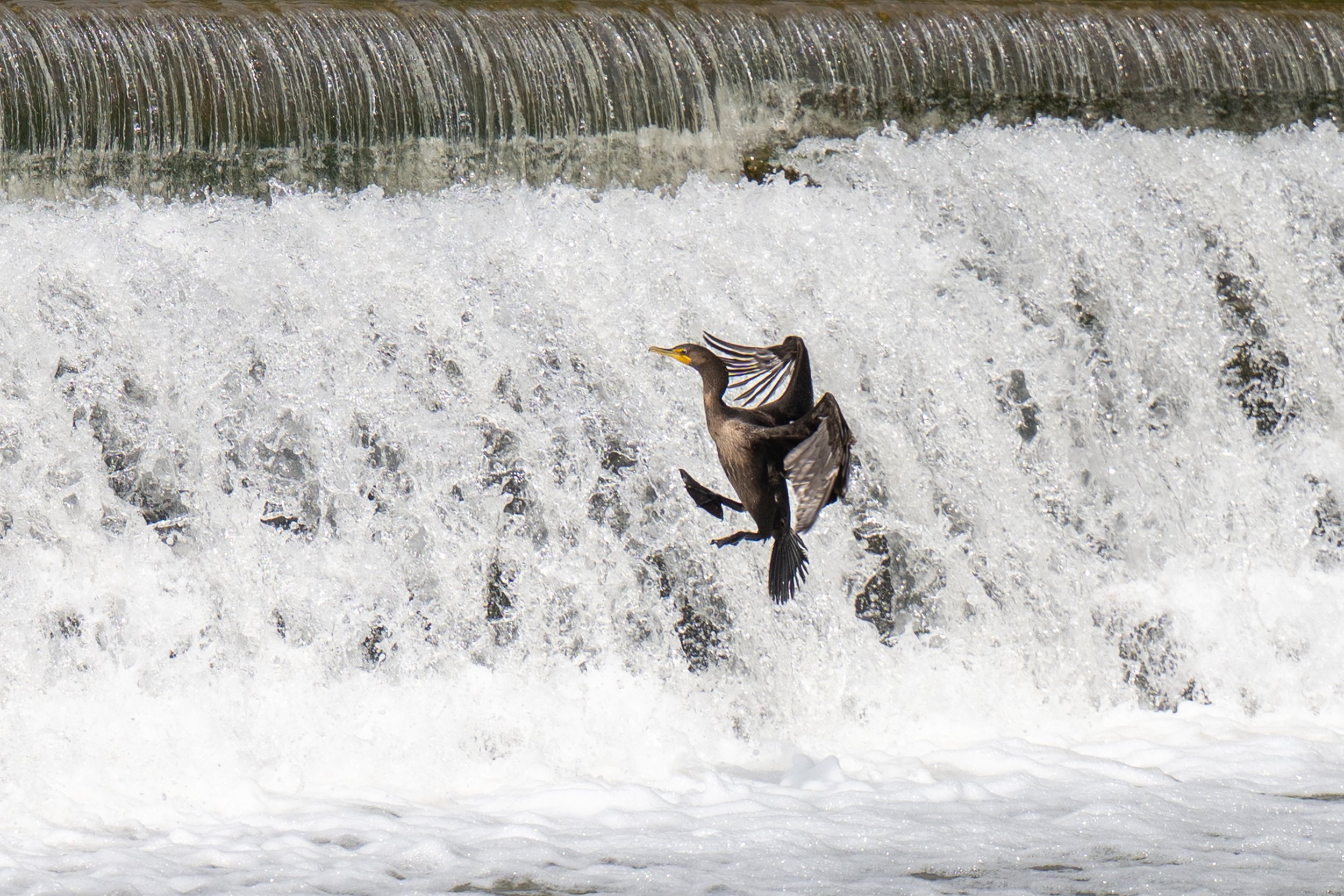
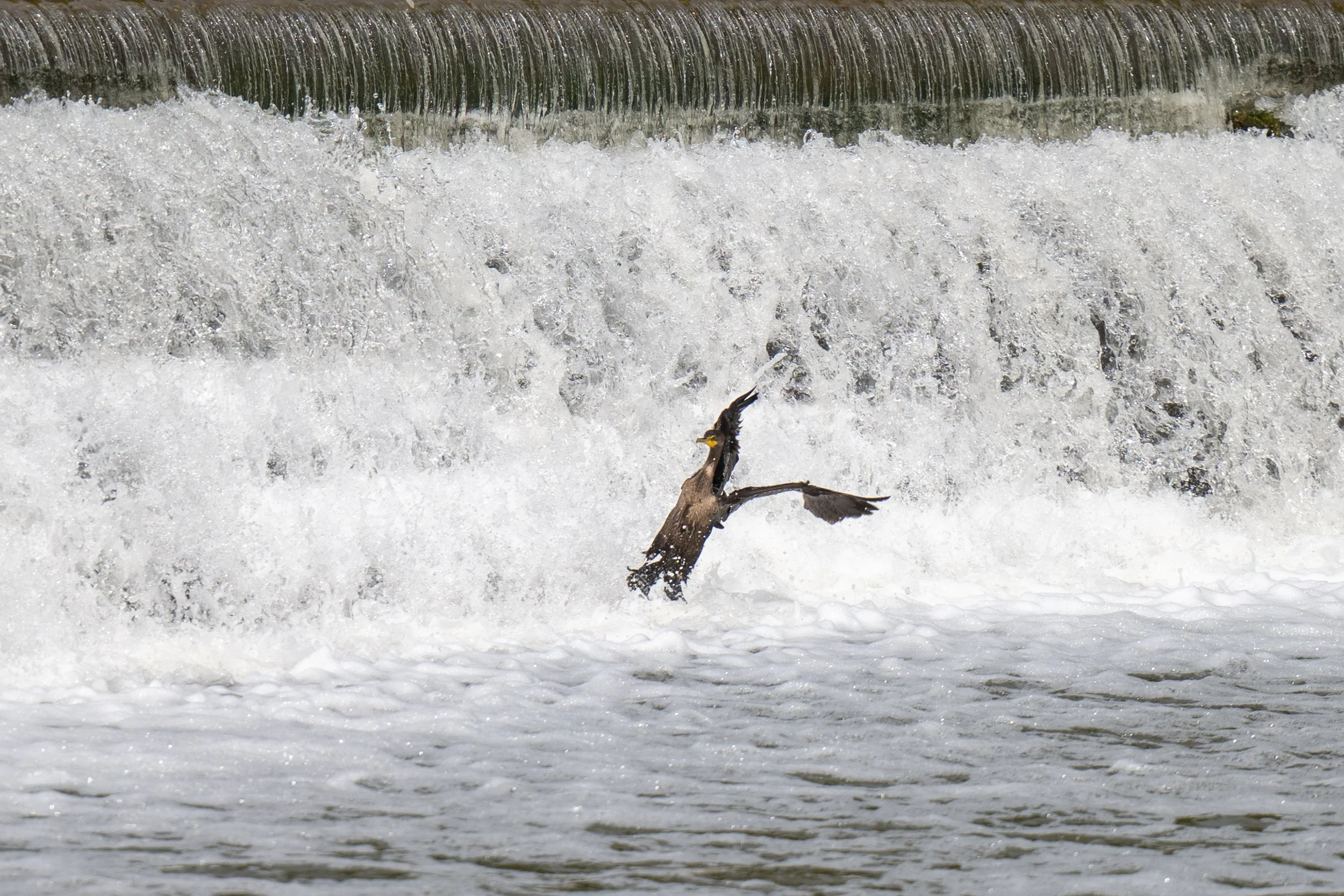
The cormorant also does not impress as an aviator. Taking flight requires a frantic, thrashing sprint across the surface just to muscle into the air. Touching down is scarcely more dignified, as a skidding crash-stop as splayed webbed feet plow the water. Once airborne, it must beat its wings without pause to stay aloft, managing only stiff, hurried glides on the descent.
On shore, clumsy gives way to the bizarre. Perched motionless on a flat river boulder, wings pegged wide to dry in the wind, it resembles a dishevelled Gothic gargoyle—or a prehistoric castaway that has forgotten how to fold itself away.
Where the cormorant comes into its own is underwater.
In Toronto, these peculiar birds assemble on an astonishing scale. Tens of thousands of Double-crested Cormorants crowd the peninsulas of Tommy Thompson Park, better known as the Leslie Street Spit, turning its bluffs and blanched, skeletal cottonwoods into a clamorous metropolis lifted straight from another geological age.
In the years before and during the pandemic, early risers along the city’s waterfront were treated to a sunrise commute of almost biblical proportions. Day after day, vast, undulating streams of cormorants lifted from the Spit and swept eastward across the pale light, thousands of dark silhouettes etched against the lake as they set out to hunt the open waters of Lake Ontario.
Not all travel east. Others strike west, following the shoreline to the mouth of the Humber River and working upstream through its pools and riffles. Here, during the autumn run, a solitary cormorant often stakes out a slick midstream rock, wings spread in its trademark cruciform pose to survey the churning current below.
It is hard not to detect a trace of envy in its gaze as massive Chinook salmon, thick as torpedoes, muscle their way up the shoals. For a predator celebrated for swallowing surprisingly ambitious meals whole, these iron-grey giants are an agonizing spectacle: a feast moving right under its bill, yet absurdly beyond the capacity of its elastic gullet.
Where the fish are bite-sized, however, the bird’s apparent clumsiness dissolves. The instant it slips beneath the surface, the comedy vanishes. Wings clamp tight to its flanks, and large, totipalmate feet drive it forward in explosive, liquid lunges. The awkward aviator instantly becomes a lethal pursuit missile, banking, twisting, and cutting through murky eddies with uncanny speed.
What looks so ill-designed for grace above the surface proves exquisitely engineered for the world below it. The frantic takeoffs, the skid-mark landings, and the gargoyle poses are merely the entry fee for an ancient mastery. The cormorant will never win a beauty contest in the air—but underwater, few athletes can touch it.
Cormorants are the true clowns of the avian world, perfectly straddling the line between aquatic grace and complete awkwardness. While they are master divers underwater, hunting fish with torpedo-like speed, on land they look like characters who forgot how their own bodies work—waddling with an exaggerated, top-heavy gait and frequently tripping over their own webbed feet. Perhaps their goofiest signature is the "spread-wing" pose: because their feathers are not entirely waterproof to help them submerge efficiently, they must stand on docks and rocks with their wings held out wide like dripping, eccentric gargoyles just to dry off.
Where the fish are bite-sized, however, the bird’s apparent clumsiness dissolves. The instant it slips beneath the surface, the comedy vanishes. Wings clamp tight to its flanks, and large, totipalmate feet drive it forward in explosive, liquid lunges. The awkward aviator instantly becomes a lethal pursuit missile, banking, twisting, and cutting through murky eddies with uncanny speed.
What looks so ill-designed for grace above the surface proves exquisitely engineered for the world below it. The frantic takeoffs, the skid-mark landings, and the gargoyle poses are merely the entry fee for an ancient mastery. The cormorant will never win a beauty contest in the air—but underwater, few athletes can touch it.
Cormorants are the true clowns of the avian world, perfectly straddling the line between aquatic grace and complete awkwardness. While they are master divers underwater, hunting fish with torpedo-like speed, on land they look like characters who forgot how their own bodies work—waddling with an exaggerated, top-heavy gait and frequently tripping over their own webbed feet. Perhaps their goofiest signature is the "spread-wing" pose: because their feathers are not entirely waterproof to help them submerge efficiently, they must stand on docks and rocks with their wings held out wide like dripping, eccentric gargoyles just to dry off.