The Curious and Controversial Cormorant
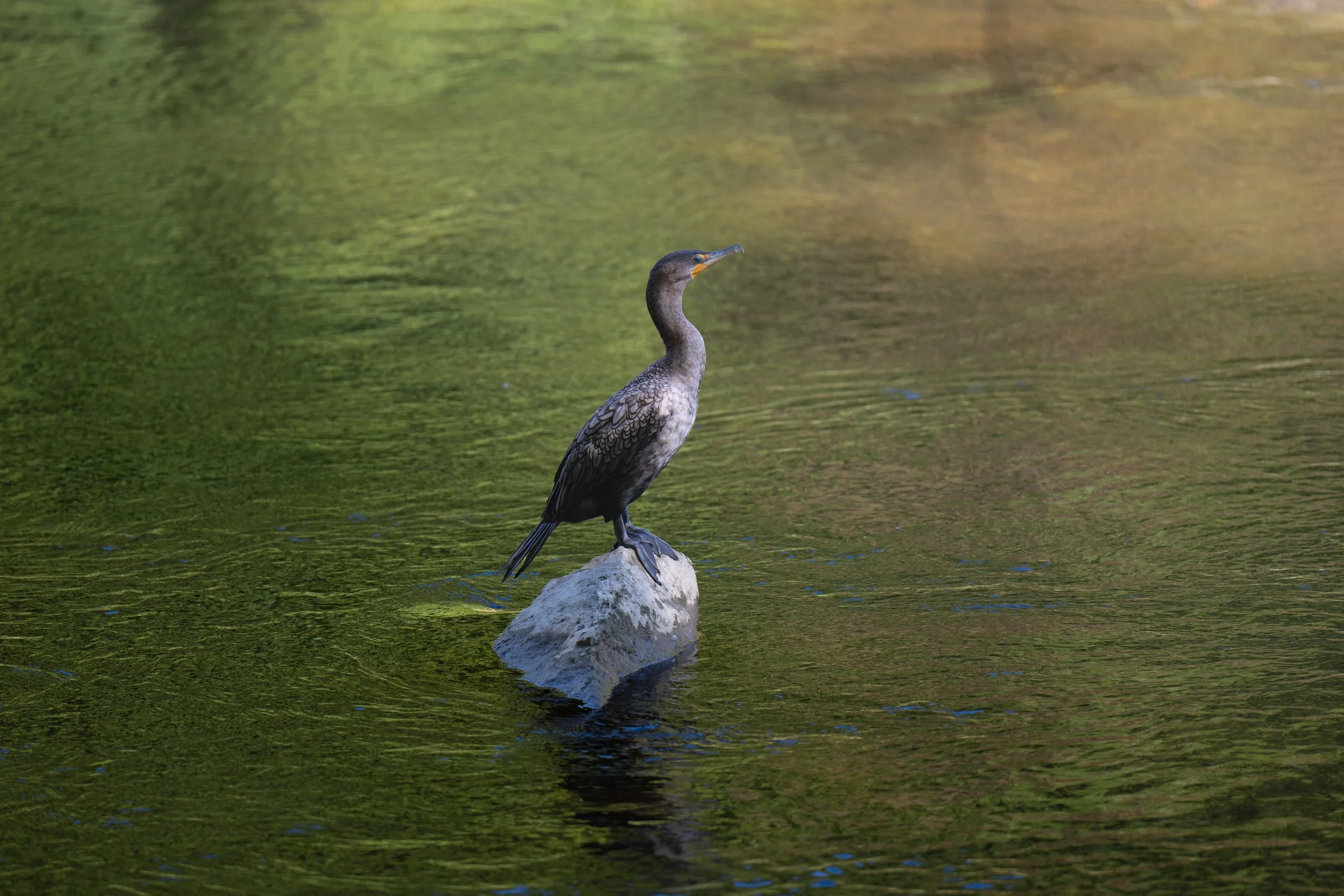
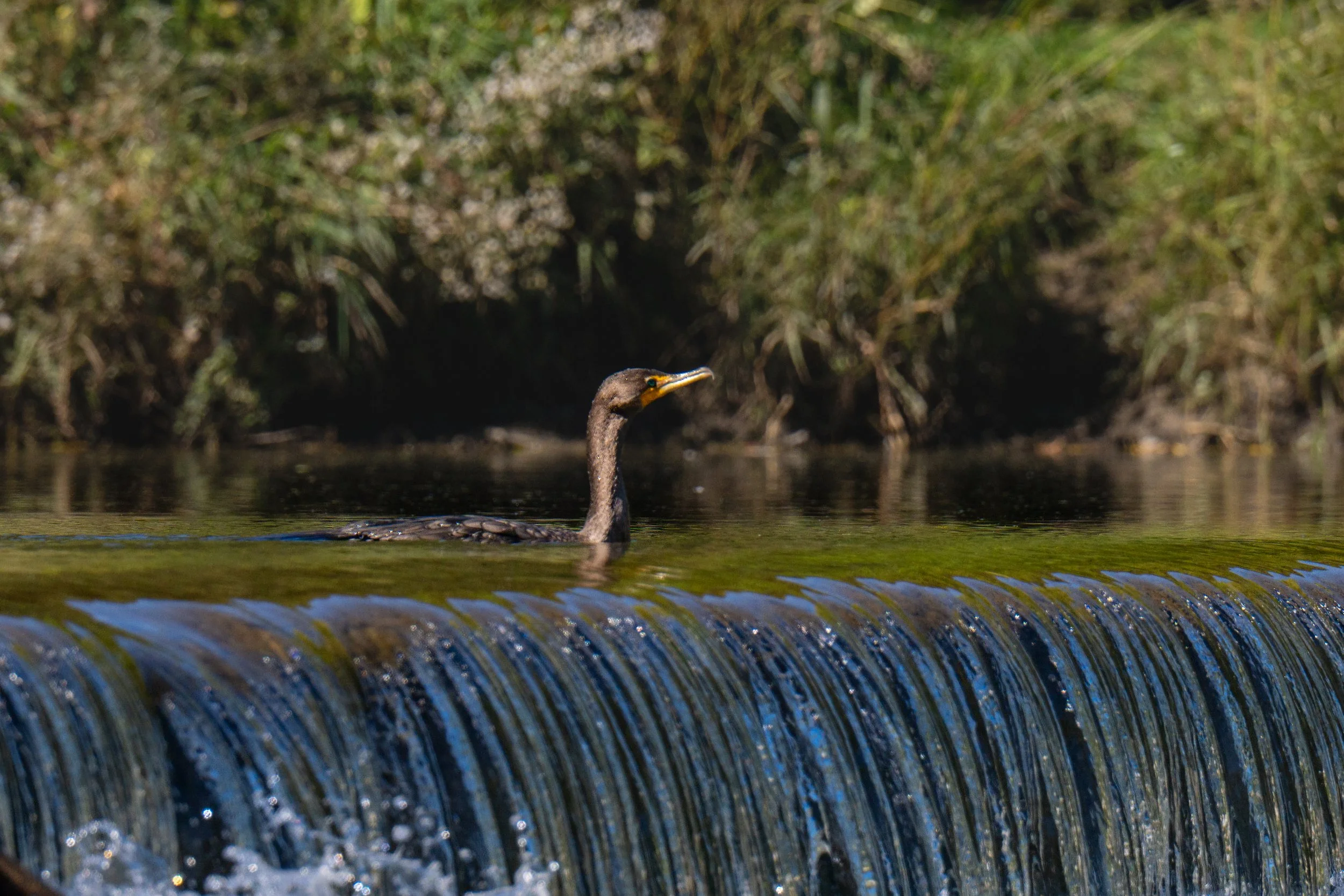
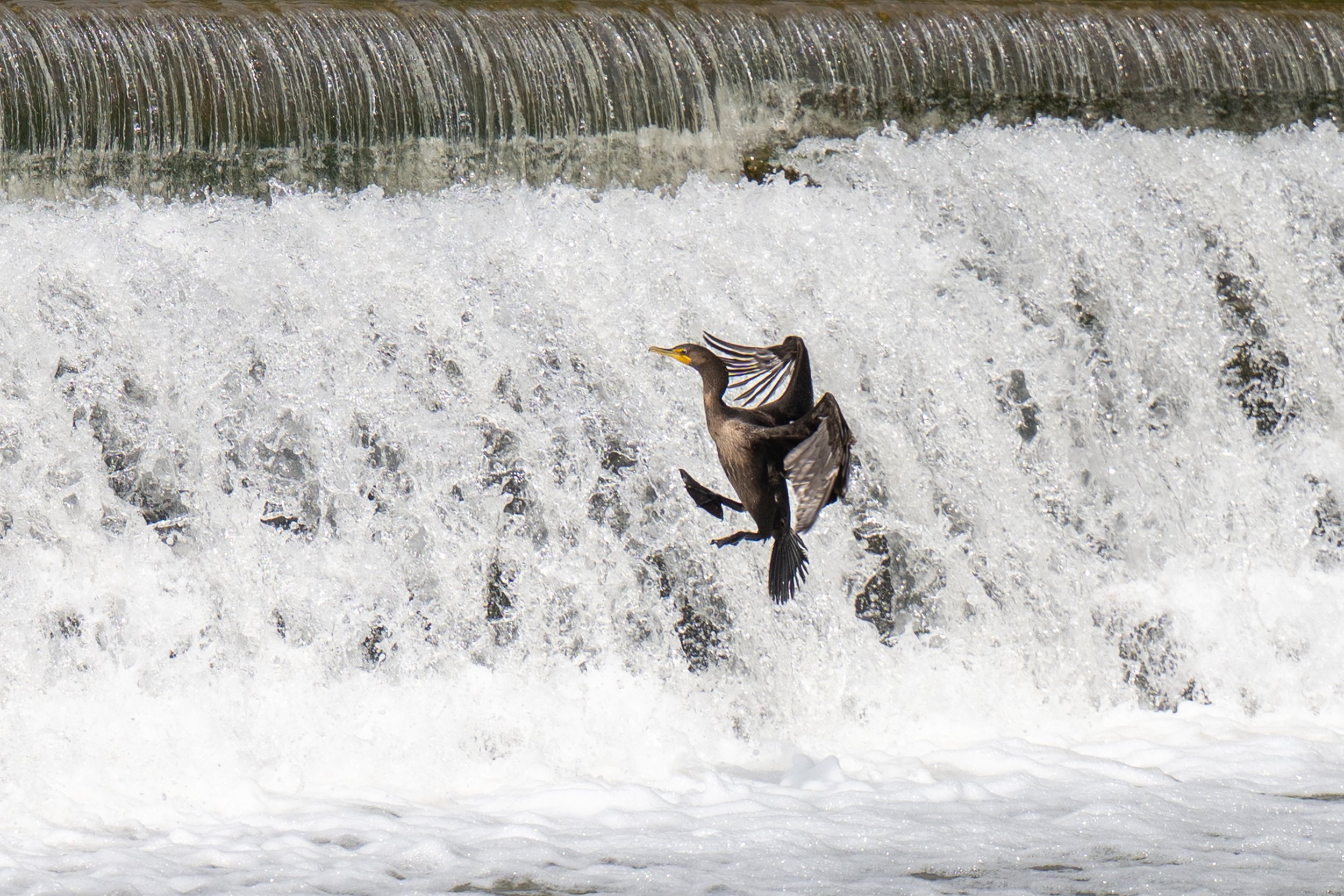
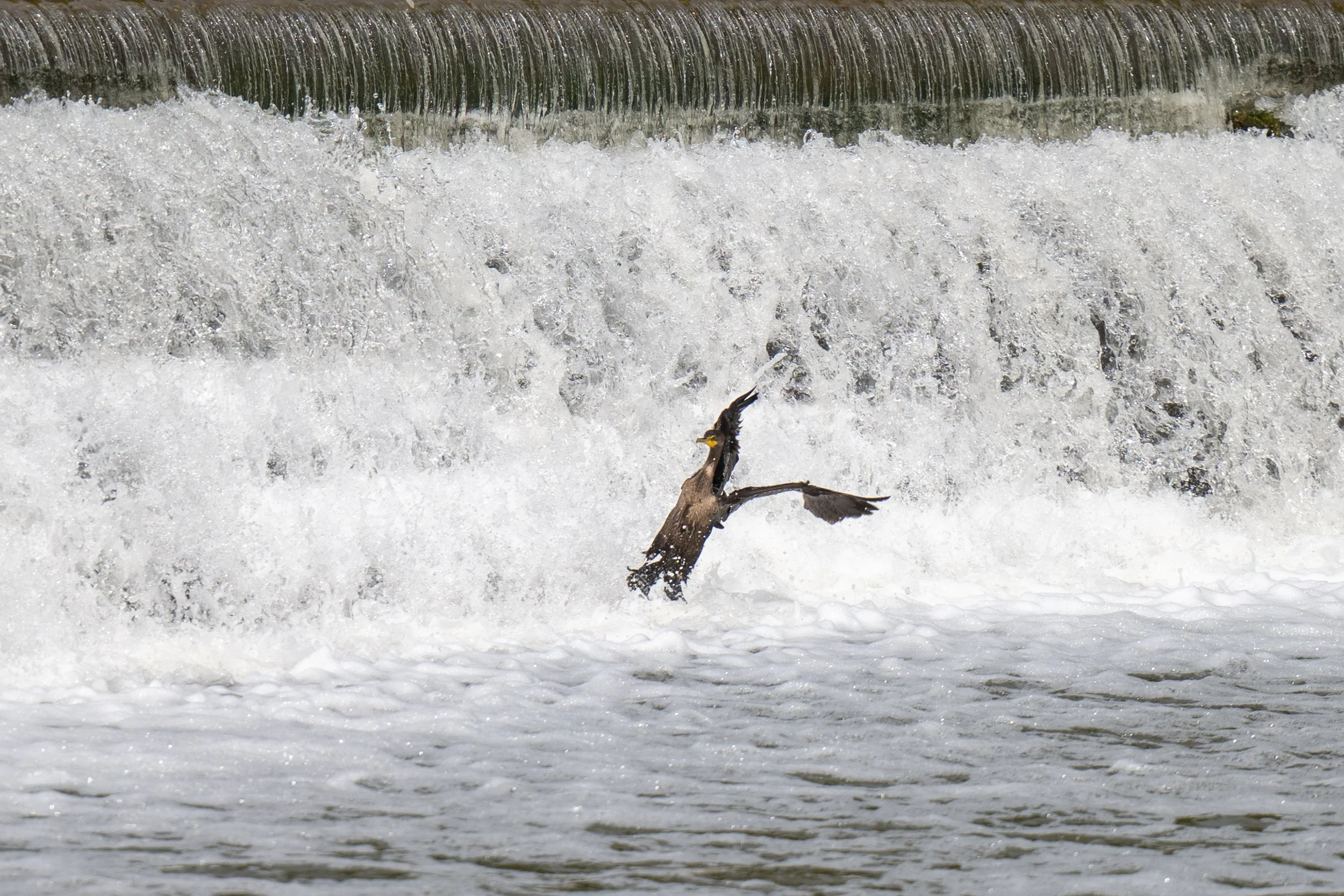
If a pageant were held, the cormorant would not win for beauty, grace or popularity. With its sinuous neck, angular head and hooked bill, this aquatic bird resembles a prehistoric reptile more than a photogenic songbird. In water, it drifts like a living periscope, with its heavy, barrel-shaped body almost entirely submerged. It is also hardly an impressive aviator, taking flight with a frantic, thrashing sprint, and touching down in a skidding crash-stop.
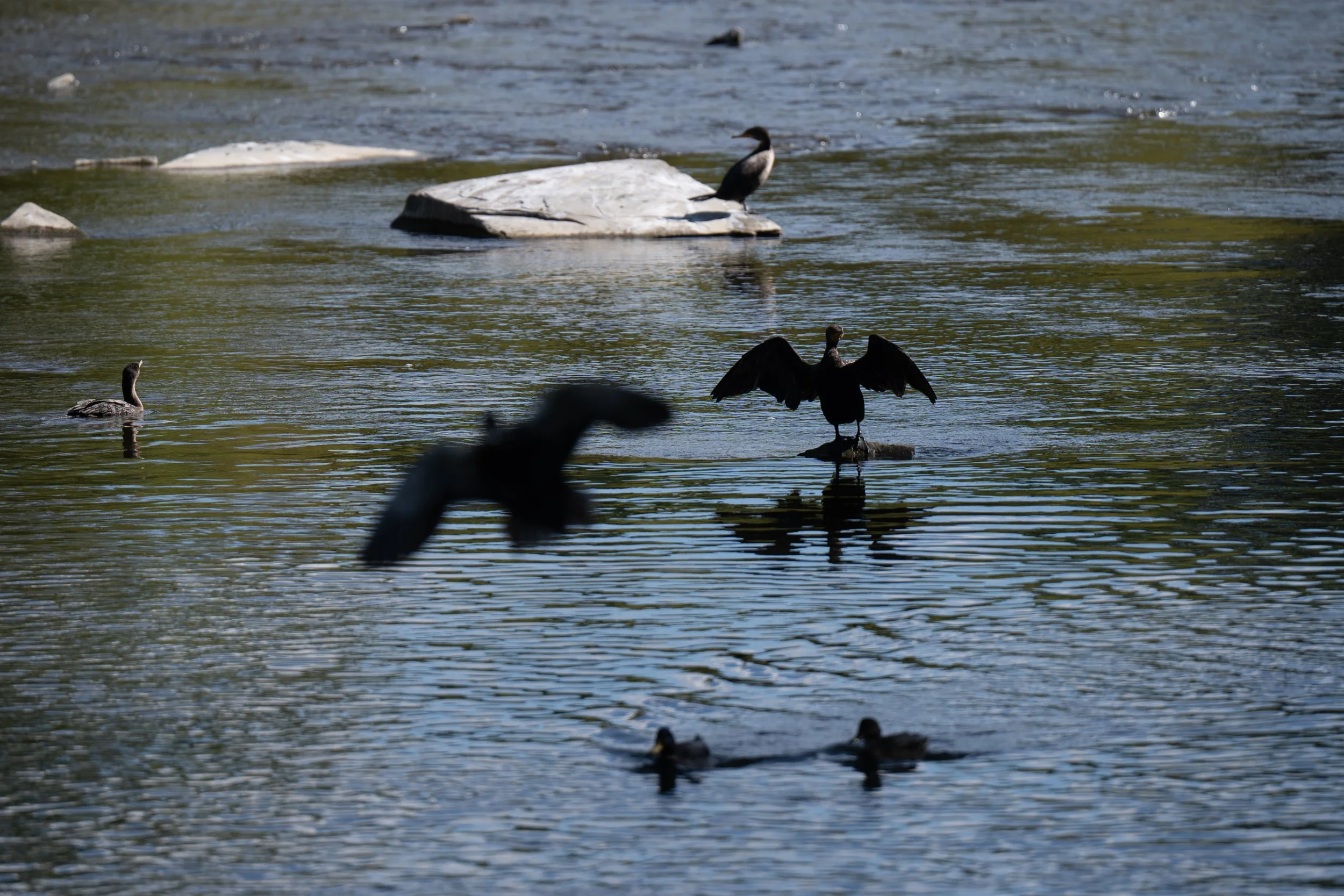
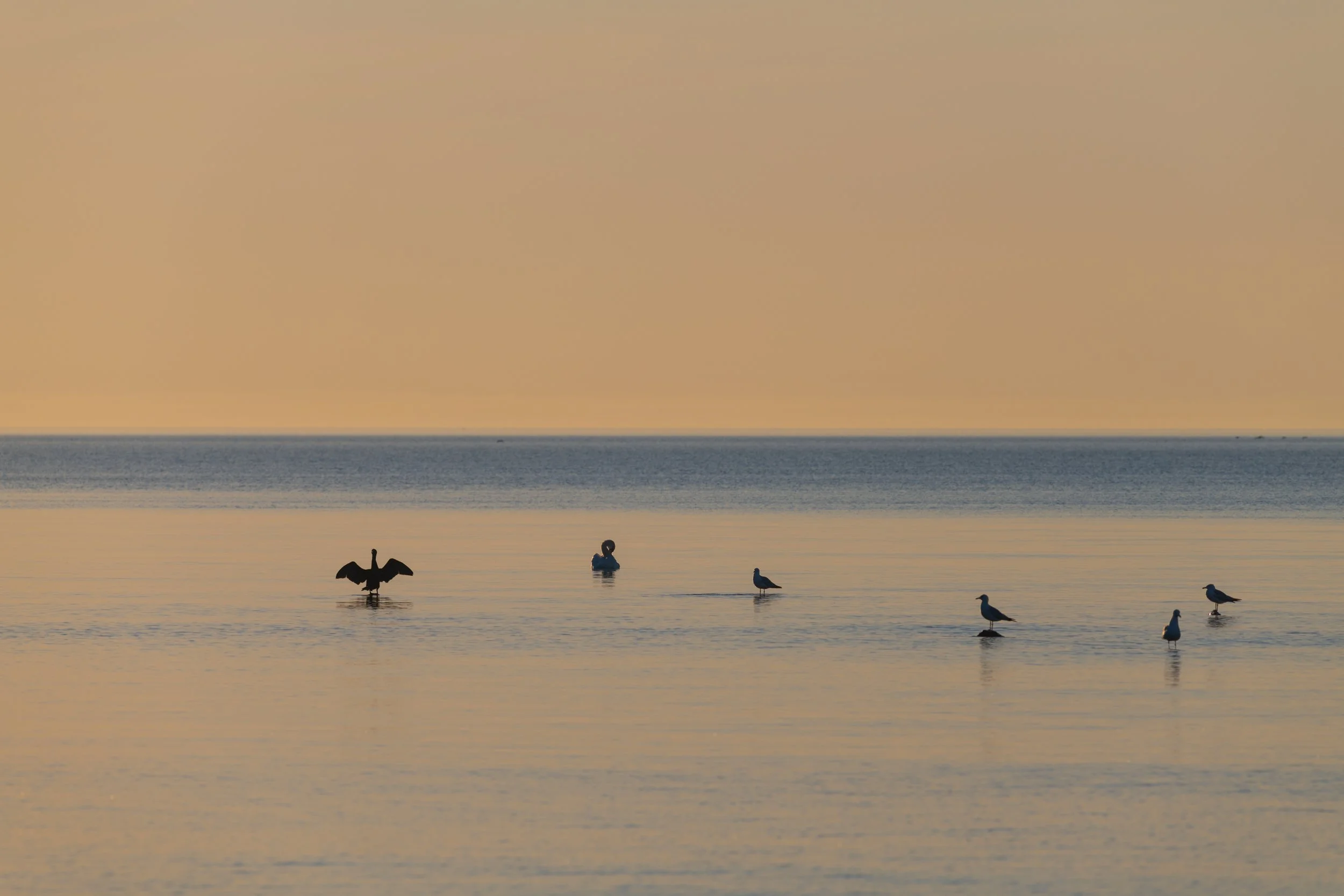
When not swimming or flying, the cormorant is often perched stoically on a flat boulder. One of its favourite poses is spreading its wings wide to dry in the wind, striking the silhouette of a dishevelled Gothic gargoyle or emulating a grounded bat signal.
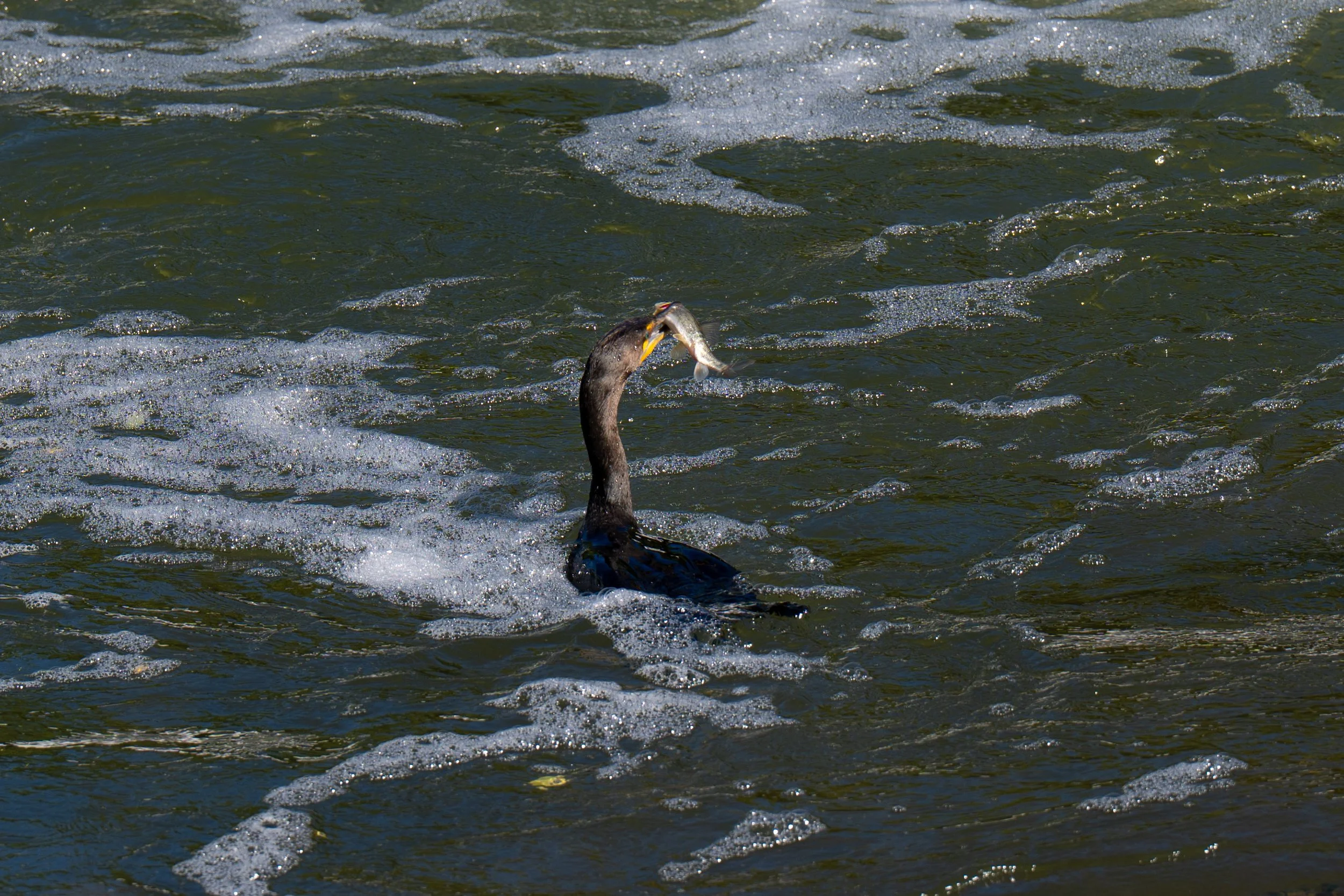
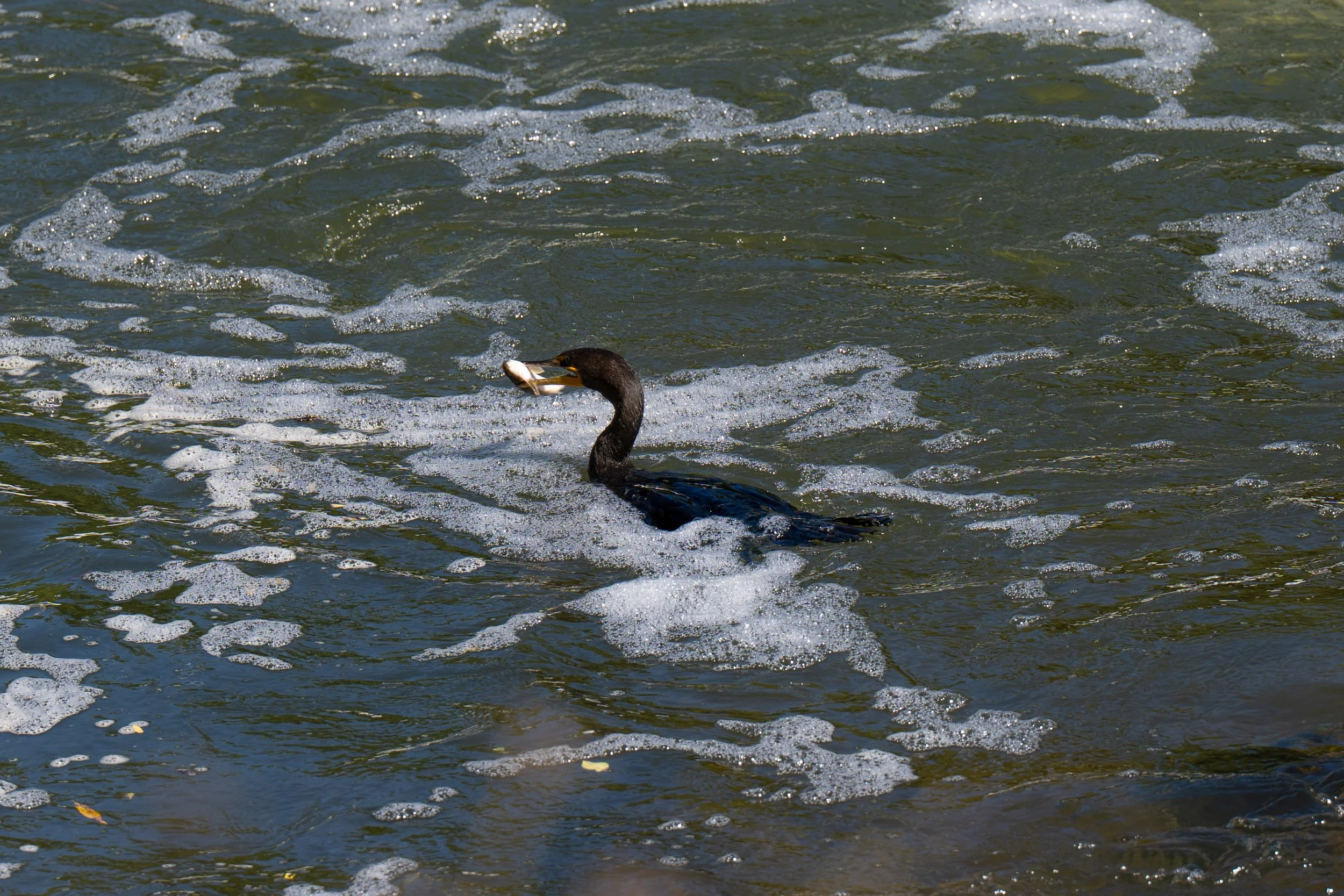
The very features that make the cormorant ungainly in air, on land and at the surface of water also enable it to be one of the elite divers of the avian world. With wings tucked to its sides, its body becomes a streamlined missile. Further aided by water-permeable feathers to reduce buoyancy and propelled by powerful totipalmate feet, it plunges into the depths of rivers and lakes to hunt fish, hauling them to the surface before swallowing them whole down its long, narrow throat.
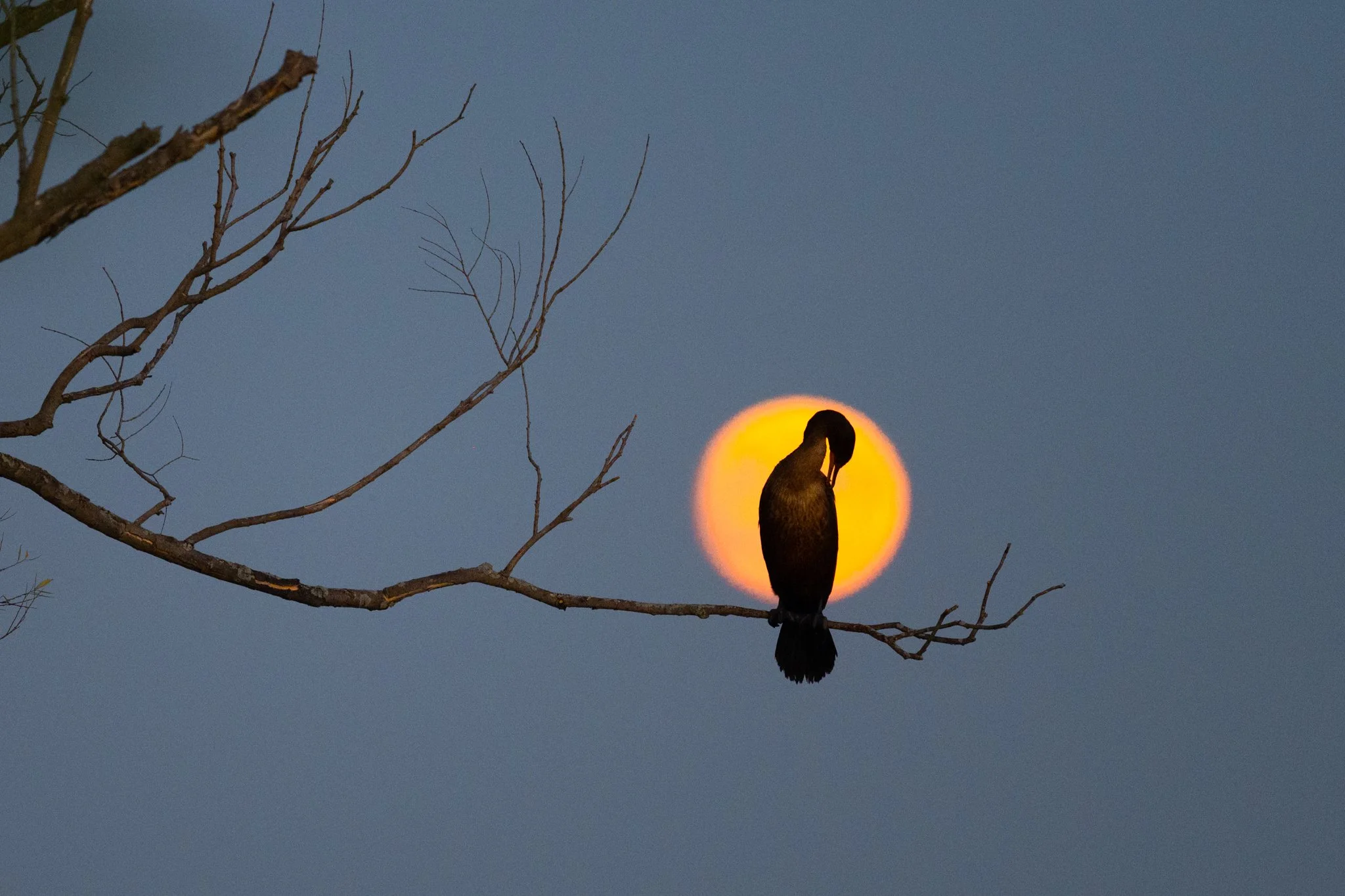
This formidable hunting prowess feeds a voracious appetite, making large cormorant colonies a threat to local recreational and commercial fisheries. Their abundant guano can also damage the vegetation surrounding its nesting grounds. Furthermore, their preference for nesting on and breaking tree branches compounds the ecological impact, resulting in some cases a shrinkage of tree canopy by as much as 25% in a single year.
In Toronto, the Double-crested Cormorant had nearly vanished by the 1970s, a casualty of pesticides and other environmental pressures. But the ban on DDT and subsequent conservation efforts sparked a remarkable recovery, with thriving colonies roosting at Tommy Thompson Park and on the Toronto Islands. Their numbers eventually grew so large that culling measures were legislated by the Ontario government.
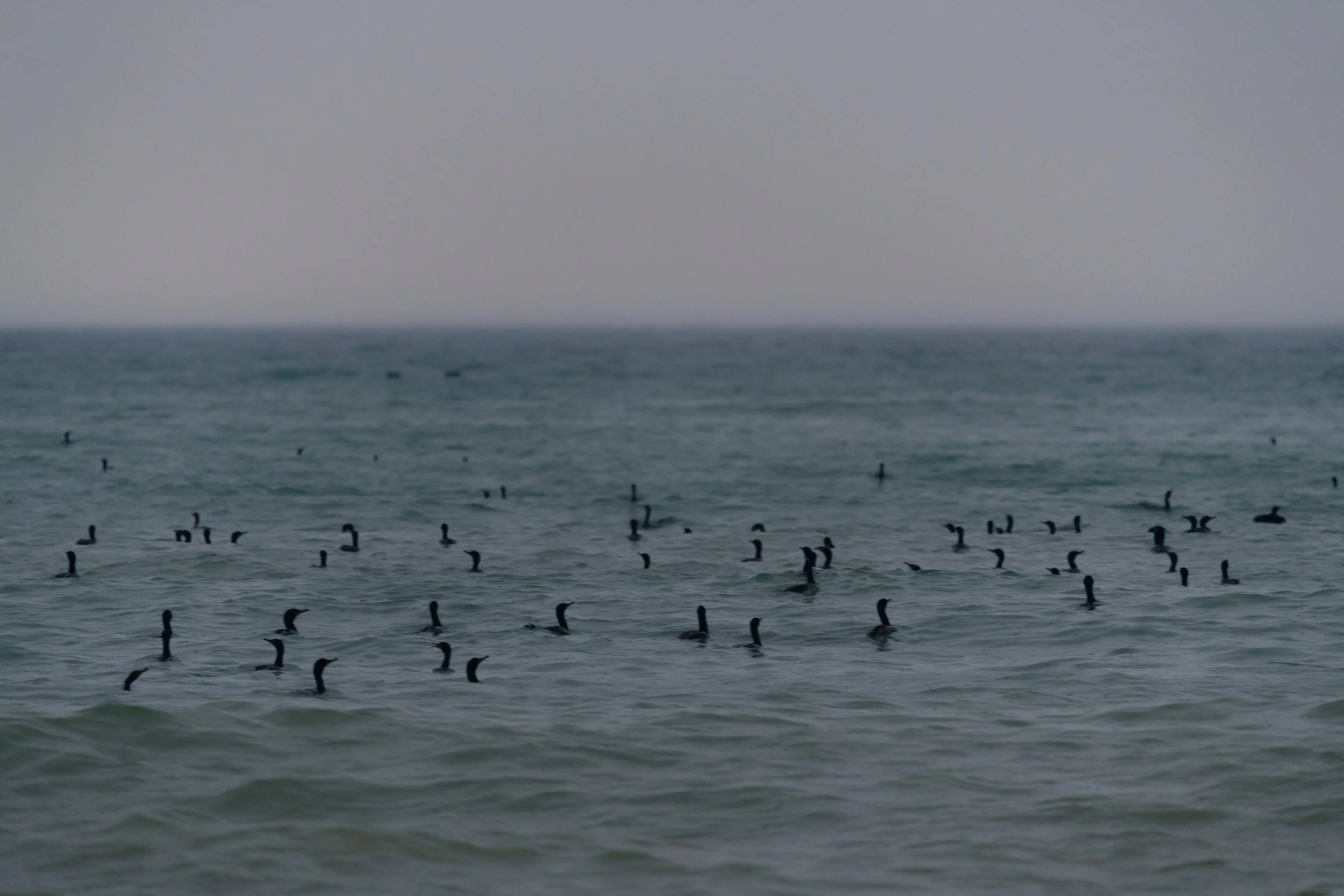
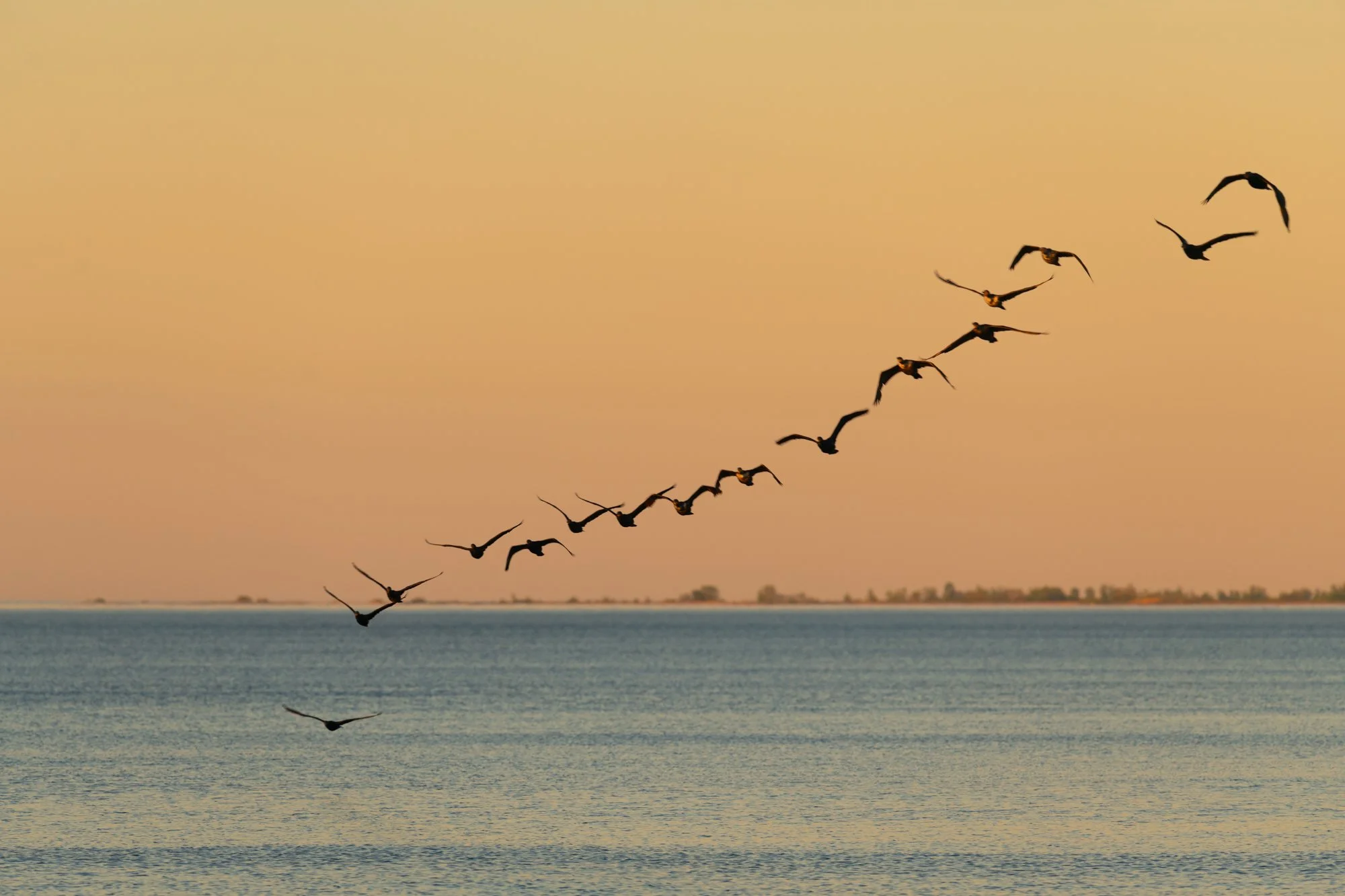
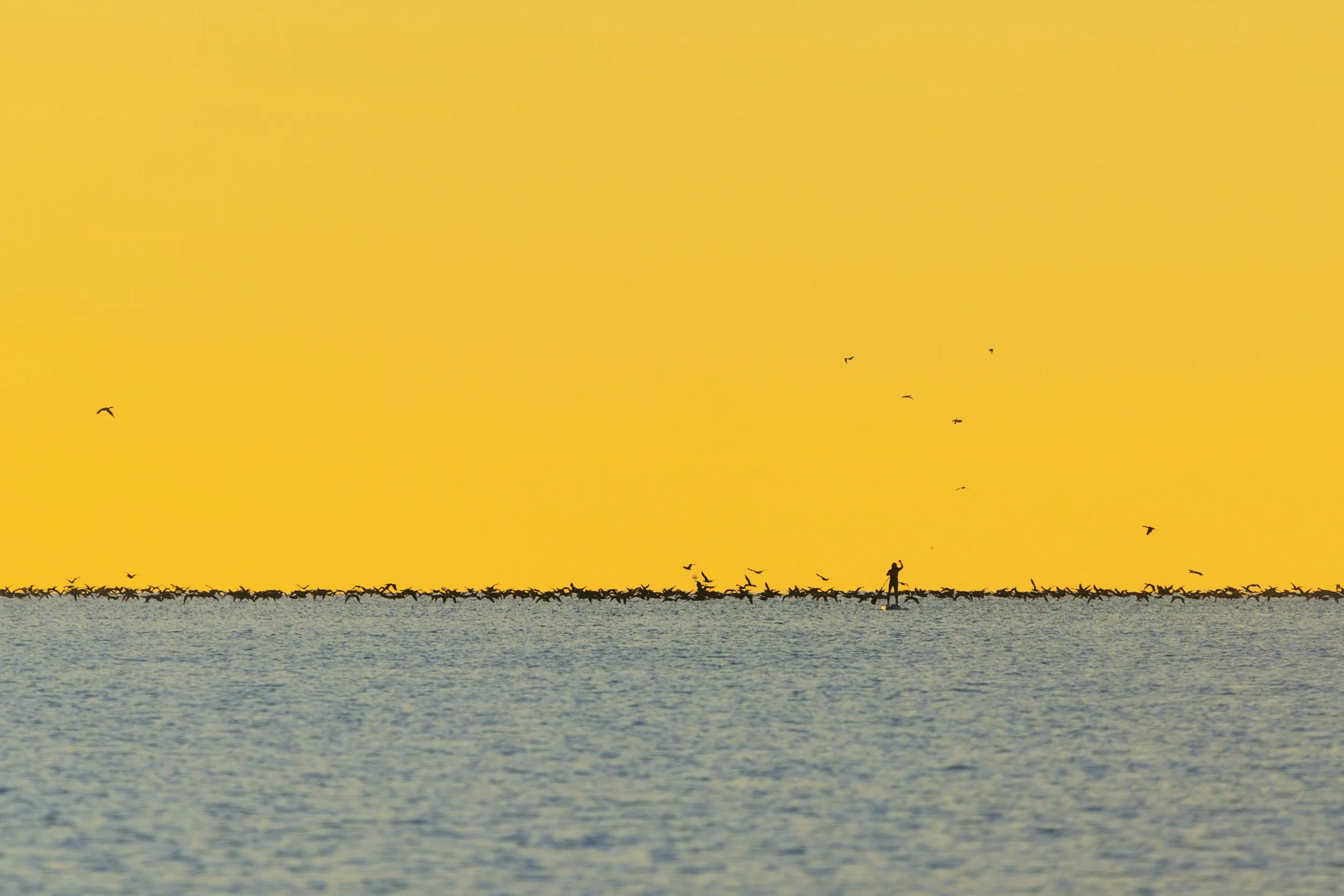
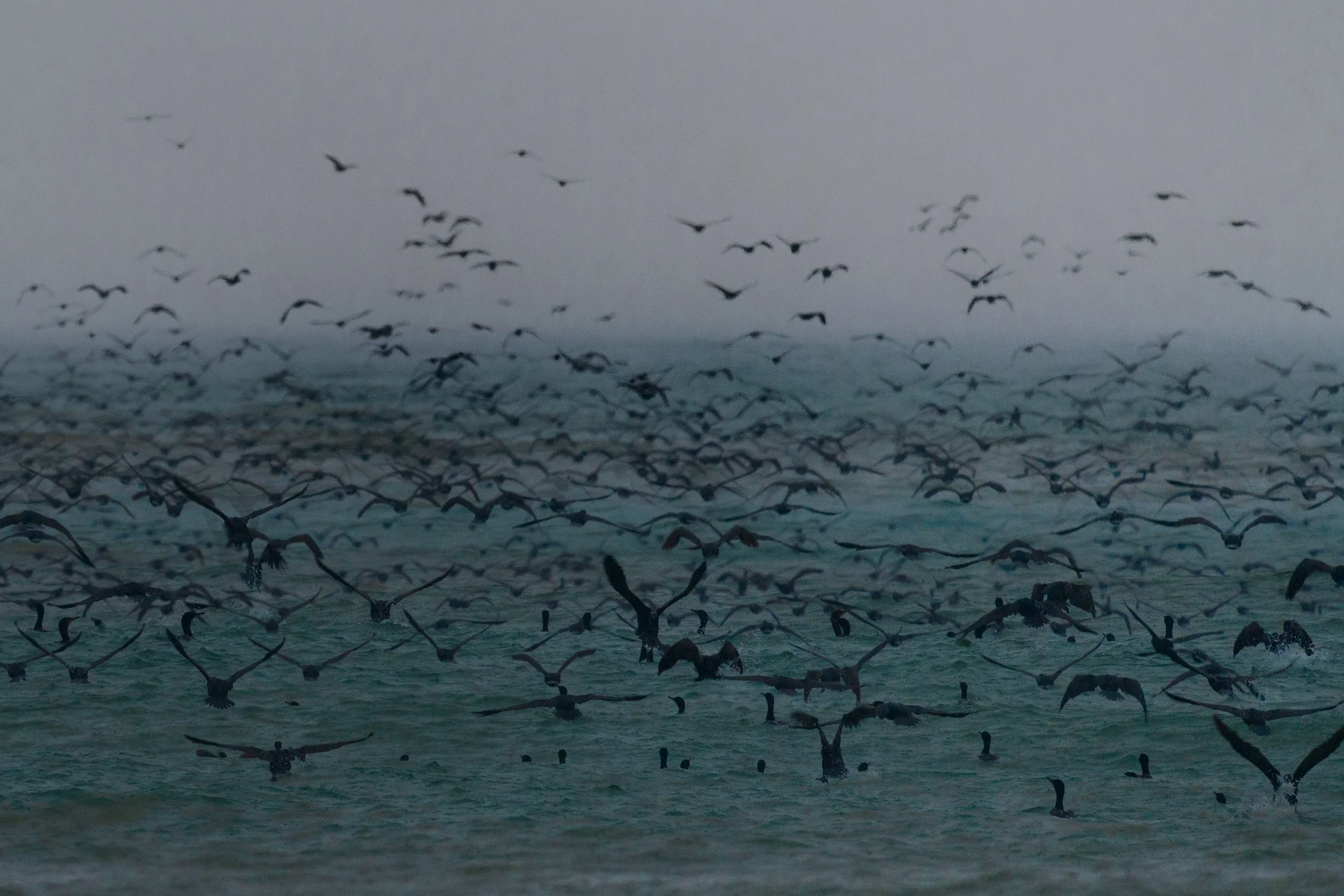
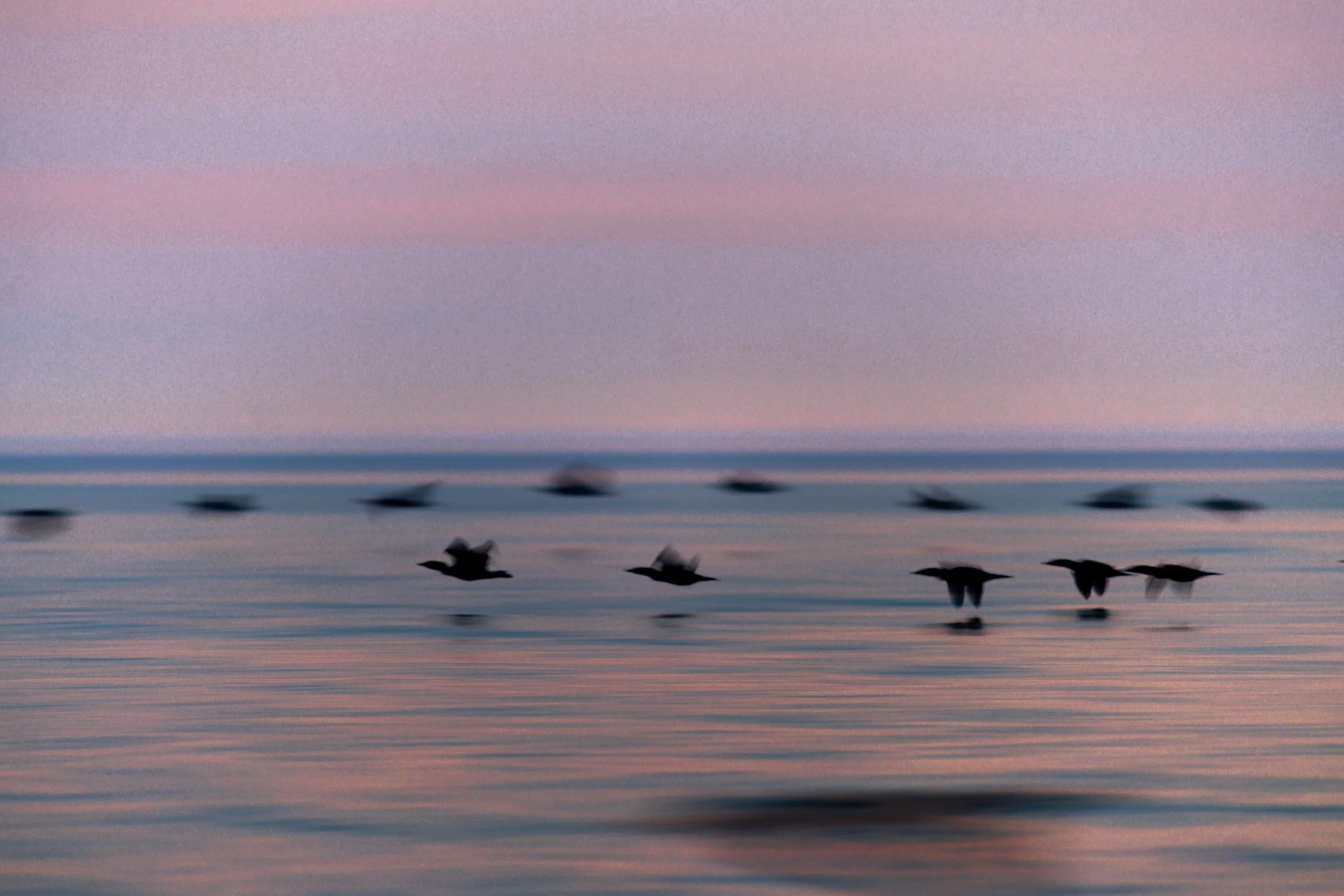

During the pandemic, early-rising Torontonians witnessed a nearly daily spectacle of waves of cormorants, numbering in the dozens and even hundreds, flying along the shore of Lake Ontario eastward from the Leslie Street Spit towards the sunrise. Post-pandemic, this morning ritual has dwindled to a mere handful of birds. Whether this reflects a change in feeding behaviour or another decline in population remains unclear (to me). Meanwhile, the Toronto and Region Conservation Authority (TRCA) continues to manage the challenge of balancing the health of the cormorant population against the protection of the ecosystem they inhabit.